Backyard Megafactories: The Local Cost of AI's Data Center Boom

Welcome back to the blog! If you have been following the conversation on our podcast, you know we love diving deep into the intersection of technology, society, and everyday life. Today, we are expanding on a topic that has been quietly transforming the American landscape right under our noses: the explosive growth of artificial intelligence data centers. While the tech industry promises a future of frictionless convenience and unprecedented computational power, the physical reality of this revolution is landing squarely in our backyards. In this post, we are going to examine the true local cost of the AI boom, exploring skyrocketing energy demands, massive water consumption, unrelenting noise pollution, and the grassroots resistance fighting to protect local communities.
Introduction: The Invisible Neighboring Megafactories
For most of us, artificial intelligence exists in the cloud. It lives behind sleek interfaces on our smartphones, inside chat windows on our laptops, and within abstract software updates delivered overnight. We think of AI as weightless, invisible, and boundless. But the physical infrastructure required to power, train, and run these massive language models and algorithms is anything but weightless. It is heavy, loud, and resource-hungry.
Across the United States, sleepy rural towns and sprawling suburban neighborhoods are finding themselves selected as sites for massive industrial data centers. These are not your average office buildings. They are windowless megaliths spanning hundreds of acres, filled with thousands of servers running 24 hours a day, 365 days a year. To the tech giants building them, they are neutral nodes in a global network. To the people living next door, they are towering industrial neighbors changing the fundamental character of their communities overnight. As we weigh the benefits of rapid technological progress, we must ask a fundamental question: at what point does the pursuit of digital innovation compromise the livability of our physical hometowns?
Powering the AI Boom: Skyrocketing Energy and Water Demands
To understand the local impact of these megafactories, we first need to understand their appetites. Artificial intelligence requires a staggering amount of computational muscle, which translates directly into unprecedented consumption of our most basic natural resources: electricity and water.
First, let us look at power. Training a single advanced AI model can consume as much electricity as dozens of homes use in a lifetime. When you multiply that across the entire tech sector, the demand on local and regional electrical grids is astronomical. Utilities that once planned for modest, incremental increases in energy demand are now facing sudden, massive spikes. In some communities, local grid operators are warning of brownouts or delaying the retirement of fossil-fuel-burning power plants just to keep up with the constant hum of server racks. Residents are left wondering if their own utility rates will rise to subsidize the infrastructure upgrades needed to feed corporate server farms.
Second, and perhaps even more alarming to local residents, is the water consumption. Computers generate immense amounts of heat. To prevent delicate microchips from melting, data centers require continuous cooling systems. Many facilities rely on evaporative cooling towers that drink millions of gallons of water every single day. In drought-prone regions of the American West and Southwest—and increasingly in eastern states as well—this creates a direct competition for water resources between tech corporations and local residents, farmers, and ecosystems. When a single data center uses as much water as a small town, it raises urgent questions about long-term sustainability and resource allocation.
More Than Just a Hum: The Realities of Neighborhood Noise Pollution
While energy and water consumption are hidden behind concrete walls, noise is a daily reality that hits residents right where they live. Data centers require massive banks of industrial cooling fans, ventilation systems, and backup diesel generators to ensure uninterrupted operation. Day and night, these systems produce a relentless, low-frequency hum.
For families living adjacent to these facilities, the noise does not stop. It seeps through double-paned windows, disrupts sleep, and ruins the quiet enjoyment of backyards and front porches. While industrial zones are built for noise, many of these data centers are being approved or rezoned directly adjacent to residential neighborhoods, schools, and parks. Residents report a constant, oppressive auditory backdrop that alters their quality of life in profound ways. It is a form of pollution that is difficult to capture in zoning permits, yet impossible to escape for those living in the shadow of the servers.
Grassroots Pushback: Do Residents Have a Say in Local Development?
Faced with skyrocketing utility bills, strained water supplies, and constant noise, communities are fighting back. Across the country, a powerful grassroots movement is emerging as everyday citizens organize to challenge the unfettered expansion of data centers in their neighborhoods.
However, this is rarely an easy fight. Tech corporations often arrive with deep pockets, offering promises of economic revitalization, tax revenues, and high-tech jobs. Local planning commissions, eager for corporate investment, sometimes fast-track approvals with minimal public notice. Residents frequently find themselves outmatched by corporate legal teams and complex zoning jargon.
Despite these hurdles, grassroots opposition is making a difference. Citizens are demanding transparency, conducting independent environmental impact studies, and packing zoning board meetings to ask tough questions. This pushback raises a crucial democratic dilemma: in an era of rapid technological transformation, how much control should local residents have over the development of their own backyards? When corporate interests clash with community preservation, who ultimately holds the authority to decide what a neighborhood looks like tomorrow?
Convenience vs. Community: Weighing Progress Against Local Costs
Ultimately, the data center boom forces us to confront a deeper philosophical tension in modern society: the eternal clash between convenience and community. We all love the benefits of technology. We want faster answers, smarter tools, and seamless digital experiences. But those digital experiences have a physical address.
Every time we query an AI assistant, stream high-definition content, or rely on automated systems, we are participating in a system that extracts resources from real places and impacts real people. The cost of our digital convenience is currently being subsidized by the local communities that host the infrastructure. When we fail to account for the environmental and social tolls paid by these towns, we create a system where technological progress benefits the few while burdening the many.
Conclusion: Reclaiming Control Over Our Neighborhoods' Future
The artificial intelligence revolution is moving at a breakneck speed, but that does not mean local communities should be forced to accept whatever industrial footprint corporations choose to drop in their midst. Protecting our natural resources, preserving our peace and quiet, and demanding a meaningful voice in local development are not anti-technology stances—they are pro-community stances. As citizens, we must remain vigilant, ask hard questions, and insist that progress never comes at the expense of our health, our environment, and our right to shape our own neighborhoods.
If you want to explore this topic further and hear a broader discussion on how technology is reshaping our lives—from data centers to our doctor's offices—be sure to check out our related podcast episode, From Data Centers to Doctor’s Offices: Can We Trust AI?. Join us as we break down the hidden costs of innovation and discuss why asking questions matters when our communities and well-being are on the line.
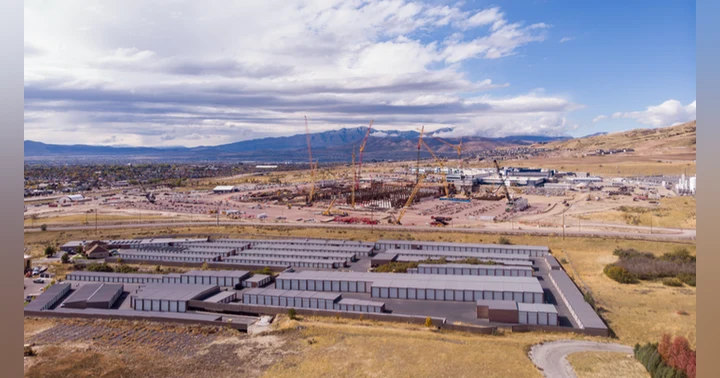
The New American Rebellion: Data Centers Spark a Grassroots Backlash Echoing the MAHA Movement