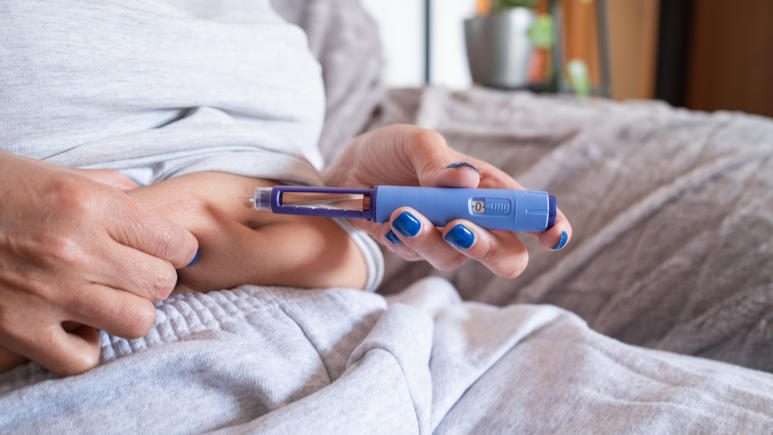
A federal panel of judges agreed to centralize litigation against manufacturers of GLP-1 drugs, alleging that they have caused non-arteritic anterior ischemic optic neuropathy (NAION). This is the second-highest category for lawsuits against GLP-1 manufacturers behind gastroparesis, also known as stomach paralysis. This comes as HHS recently announced it is working to expand access to the medications as part of the response to the ongoing obesity epidemic in the United States, where over 40% of American adults are obese.
A 2025 study of 139,000 diabetes patients over the age of 66 found that those who received GLP-1 drugs for the treatment of diabetes were twice as likely to develop neovascular age-related macular degeneration (nAMD) than the control group. Another 2025 study concluded users of GLP-1 drugs were 68.6 times more likely to develop NAION and eight times more likely to develop diabetic retinopathy than those taking empagliflozin, exenatide, insulin, or metformin.
A different 2025 study with significant conflicts of interest concluded that GLP-1 drugs were “associated with a modestly increased risk of incident DR (diabetic retinopathy); however, fewer patients experienced sight-threatening DR complications, including blindness, even among those with preexisting DR.” The lengthy conflict of interest statement includes payments authors have received from Novo Nordisk, Eli Lilly, Boehringer Ingelheim, Structure Therapeutics, AstraZeneca, and Pfizer, all of which have current GLP-1 products on the market or in development. In total, the CoI disclosure lists over 70 pharmaceutical companies in which the authors have received personal fees, grant funding, or have stock options.
The World Health Organization acknowledged the increased risk of NAION in June and said the risk management plan for semaglutide should be updated to include NAION as a potential risk. Despite this, the WHO announced it would expand access to the medications to address the global obesity problem.
Use of GLP-1s has increased as 12% of American adults, or about one in eight, say they are currently taking one of these drugs for weight loss or to treat a chronic condition. 18%, or nearly one in five, say they have taken these drugs at some point. The FDA approved an oral version of Wegovy, which is said to be a more convenient option for patients who aren’t interested in taking an injectable medication.
Wegovy lists the same side effects for the oral tablet and the injectable drug. It lists serious side effects, including possible thyroid tumors and thyroid cancer. It also lists pancreatitis, gallbladder problems, hypoglycemia, dehydration, kidney problems, severe stomach problems, serious allergic reactions, change in vision, increased heart rate, depression or thoughts of suicide, and an increased risk of food or liquid getting into the lungs during surgery. These are the side effects the company is legally required to disclose as they are reasonably associated with use of the drug.
The New York Post reported weeks ago that some doctors are concerned about the aftermath of using GLP-1 drugs for weight loss and the potential for developing an eating disorder. “I think there should be a button that you have to click saying ‘I am consciously making a choice that could really harm my health,’” Dr. Zoe Ross-Nash, a licensed clinical psychologist, told The Post. “Like on cigarette boxes, it says, ‘This could cause cancer.’ OK, well, this [drug] could cause an eating disorder.”
The HighWire has reported about the connection between GLP-1s and serious adverse outcomes, including pancreatitis, suicidal ideation, overdoses, blindness, and even death.
Psychology Today recently reported that 22% of users develop nutritional deficiencies within a year, and users will gain two-thirds of the weight back after going off the drugs. The drugs do not target the root causes, and the drugs work by making patients feel full. Thus, the weight loss occurs from caloric restriction.
13% of patients had a Vitamin D deficiency, but there were also deficiencies noted for vitamin A, vitamin C, B vitamins, calcium, and zinc. Many of the side effects that are often attributed to the drugs actually come from these nutritional deficiencies that are significantly more likely when using GLP-1 drugs. These symptoms include hair loss, fatigue, muscle weakness, and slow wound healing.
Psychiatrist and author Mitchell B. Liester M.D., said these common nutritional deficiencies associated with GLP-1 drug use can also manifest psychiatric symptoms like depression, anxiety, and cognitive impairment. Caloric restriction can also cause brain fog and difficulty with sleep and focus.
Leister explained that when GLP-1 users are severely restricting calorie intake, they don’t think about making the most nutritionally optimal choices for the food they do eat. This can cause nutritional deficiencies that aren’t fixable with simple multivitamins that are created for individuals who eat an average daily diet of around 1,800-2,500 calories.
The Biden administration announced expanded access to GLP-1 drugs last year before leaving office, and the Trump administration has worked to lower the prices to make the drugs more accessible. HHS Secretary Robert F. Kennedy Jr. said this is a tool to tackle obesity, but last year, while on Fox News with Greg Gutfeld, Kennedy suggested money would be better spent in providing three meals a day to every man, woman, and child in the country. He said doing so would solve the obesity epidemic overnight at a fraction of the cost.
Now, with increased litigation against manufacturers for a range of serious conditions, the administration is considering these drugs as a potential benefit for treating obesity. The FDA is approving new GLP-1 drugs as pharma companies battle for market share amid increased demand for these weight-loss drugs.

Top Essential Nutrients to Protect Your Vision