
Dr. Linda J. Dobberstein, DC, Board Certified in Clinical Nutrition
- Nitric oxide production keeps the circulatory system relaxed and flowing well
- Nitric oxide also impacts brain health, endurance, immune, and sexual health
- Various nutrients and exercise support healthy nitric oxide production
Nitric oxide is a naturally produced molecule in the body that functions as an essential messenger, particularly in the cardiovascular system. Its primary role is to signal blood vessels to relax and widen, allowing blood to flow more freely. Your muscles, endurance, energy, cognitive function, heart, immune, and sexual health are all impacted by nitric oxide. Improved blood flow enhances the delivery of oxygen and nutrients to cells while supporting the efficient removal of metabolic waste. Learn how to optimize nitric oxide production with nutrients and daily habits.
What Is Nitric Oxide?
Nitric oxide is a fast-acting gas generated from the amino acid L-arginine. It is made in a series of enzymatic steps by endothelial cells (eNOS), immune cells (iNOS), and nerve cells (nNOS). Nitric oxide is a protective and regulatory messenger compound which functions in the heart and vascular system, brain, and nervous system. It is a powerful systemic signaling molecule involved with vascular tone, cellular health, and gene expression.
Nitric oxide affects other aspects of physiology. These include blood vessel tone and formation, shear stress inside blood vessels, vascular permeability, platelet-blood flow, heart health, immune, microbial and biofilm management, metabolic and inflammatory chemicals management, neurotransmitter activities, cell apoptosis, bone strength, reproduction, and other functions.
Another benefit is that in proper amounts, nitric oxide inhibits lipid peroxidation or quenches ROS free radicals that damage cholesterol and other lipids. Nitric oxide is a very tightly regulated compound in your body that is continuously produced and recycled and has a half-life of nanoseconds.
Nitric Oxide Production Related to Endothelial Lining Health
Nearly 70% of nitric oxide (eNOS) is produced by the endothelial lining of blood vessels, making it an integral and critical part of cardiovascular health. Since this discovery 40 years ago, researchers have delved deeply into the various roles of eNOS and endothelial function showing how critical it is to have healthy endothelial function for nitric oxide production.
Nitric Oxide Production
For nitric oxide to be produced by the endothelial lining, the amino acid L-arginine must be present, otherwise, endothelial function is compromised. L-arginine supplementation helps to restore arginine tissue levels.
Furthermore, nitric oxide production requires support from nitric oxide donors like nitrates. These and other nitric oxide donors are provided by physical activity/exercise, a healthy gut microbiome, vegetables and fruits.
Dietary Support
Arginine is naturally found in dairy products, fish, poultry, and red meat. It may also be made from L-citrulline which converts into arginine. This non-essential amino acid is found in legumes, meat, nuts, and watermelon.
Sources of nitrate-rich vegetables include:
• Very high: celery, cress, chervil, lettuce, red beetroot, spinach, and rucola/rocket
• High: celeriac, Chinese cabbage, endive, fennel, kohlrabi, leek, and parsley
• Moderate: cabbage, dill, turnip, savoy cabbage
• Low: broccoli, carrot, cauliflower, chicory, cucumber, pumpkin
• Very Low: artichoke, asparagus, broad bean, eggplant, garlic, green bean, mushroom, onion, pea, pepper, potato, sweet potato, summer squash, tomato, and watermelon
Fruits such as apples, bananas, cranberries, oranges, and pomegranate generally have very low to low content of nitrates. Other sources of nitrates include well water, deli meats, bacon, ham, hot dogs, and pork tenderloin. Vegetables are the preferred source.
How to Naturally Enhance Nitric Oxide Production
Aging, sedentary lifestyle, gut dysbiosis, and lack of vegetables and fruits in the diet are common reasons for deficits in the nitric oxide production. Here are some select nutrients that support the body’s production of nitric oxide.
L-Arginine
L-Arginine is the primary amino acid required for nitric oxide production. Our Performa Plus formula contains an enhanced, patented form of arginine called Nitrosigine®. It is an inositol-stabilized arginine silicate that has superior absorption and activity compared to plain L-arginine.
Randomized prospective double-blind studies have validated that Nitrosigine increases arginine levels and nitric oxide production. These results showed faster cognitive processing of information, mental flexibility or the ability to handle multiple tasks. Another study showed improvement in prolonged concentration, mental endurance, mood, decision making, and accuracy.
Increased arginine supplement intake may not be appropriate for individuals with low blood pressure or various viral infections. Please check with your health care practitioner for your needs.
Niacin
Nitric oxide production is also influenced by niacin which is a Sirt-1/Sirtuin 1 activator. Research suggests that Sirt-1 activation by niacin may provide an antiaging effect for vascular aging and enhance endothelial function.
Tocotrienols
Vitamin E tocotrienols help nitric oxide management by managing iNOS or inducible nitric oxide synthase. This enzymatic form of nitric oxide is released in response to inflammatory cytokines (NF-a, IL-1beta), and endotoxins like lipopolysaccharides (LPS). A dosage of 250 mg/day of tocotrienols per day was used most favorably in studies.
Grape Seed Extract and Resveratrol
Grape seed extract, is a phytonutrient that contains flavonoids and phenolic compounds that support nitric oxide release and protection of the endothelial lining, cardiovascular health, antioxidant support and many other benefits.
Resveratrol is another compound extract from grapes that provide protection and support for the endothelial lining and nitric oxide production. Various clinical trials have shown its beneficial support for cardiovascular health.
Exercise and Chlorella
Research demonstrates that exercise boosts nitric oxide production at all ages. From young, healthy men to previously sedentary older women, aerobic activity is shown to increase nitric oxide production for cardiovascular wellness.
Nitric oxide production may be enhanced with chlorella supplementation and aerobic exercise combined.
Supplemental Support
Protecting the endothelial lining and supporting nitric oxide with physical exercise and the Mediterranean Diet is fundamental to cardiovascular, brain, and overall health. To further optimize and support health, consider support such as:
Daily Super E contains 50 mg of mixed tocotrienols per gelcap.
Leptinal contains 10 mg of tocotrienols per gelcap and is combined with omega-3 DHA, omega-6 GLA, and other antioxidants for more comprehensive support.
Performa Plus contains Nitrosigine®, the premier form of arginine, with grape seed extract and Panax ginseng.
Cardio Helper provides a blend of grape seed extract, resveratrol, hawthorne berry, and horse chestnut.
Grape Seed Extract contains 200 mg per capsule of standardized extract providing 95% oligomeric proanthocyanidins.
Lipid Helper contains niacin as niacinamide, milk thistle extract and pterostilbene, a sister nutrient to resveratrol with improved bioavailability.
Chlorella - nutrient-dense green algae superfood for detoxification, energy, and digestion.
Maintaining a healthy endothelial lining is critical for nitric oxide production as well as blood flow to brain, heart, respiratory tract, kidneys, and all other organs and tissues. When it comes to health, an ounce of prevention every day is worth a pound of cure, especially with nitric oxide and endothelial lining health.
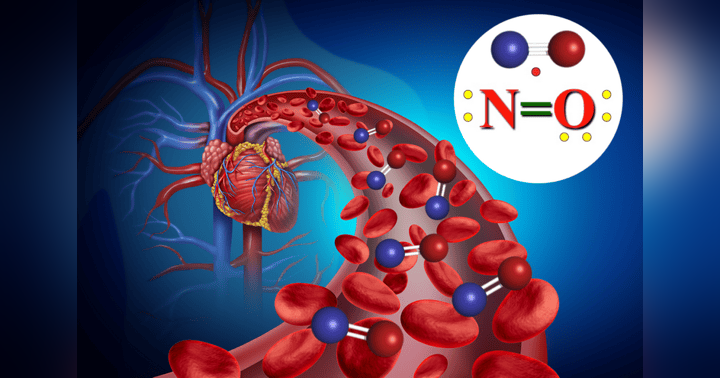
Heart disease severity may depend on nitric oxide levels