Dr. Linda J. Dobberstein, DC, Board Certified in Clinical Nutrition
Article Highlights:
Colorectal cancer is increasing in adults under 50, with younger patients often diagnosed at more advanced, harder-to-treat stages.
Gut microbiome imbalance is a key risk factor, often developing years before cancer and influenced by modern diet, medications, and environmental exposures.
Diet and lifestyle choices can help reduce risk, including fiber-rich foods, physical activity, fermented foods, and limiting alcohol and sugar.
A recent report from the American Cancer Society has drawn national attention to a disturbing shift in cancer trends among younger adults. Colorectal cancer is now the leading cause of cancer-related deaths in people under the age of 50. In 1990, colorectal cancer was the fifth leading cause of death for older and elderly adults but was not a common issue in adults 50 years and younger. Today, the statistics have shifted with younger adults diagnosed at more advanced stages making it difficult to treat and deadly. Many factors associated with modern living contribute to this deadly disease making it critical to optimize healthy choices with diet and lifestyle early in life and ongoing daily life.
Risk Factors
Colorectal cancer rates have been increasing with each generation in industrialized countries. The greatest upward trend is found among white, Native American, and Alaska Native people, while black people have had high rates for decades. North America, Europe, Australia, and New Zealand have the highest incidence rates.
Other risk factors include male sex, history of Inflammatory Bowel Disease (Ulcerative Colitis, Crohn’s disease), sedentary lifestyle, obesity, high consumption of red meat and processed meat, tobacco and/or alcohol use, diabetes and insulin resistance, fatty liver disease, gallbladder removal, coronary artery disease, chronic kidney disease, hereditary disorders, and other causes.
Gut Microbiome
Scientists around the globe have found that disturbances in the gut microbiome leading to gut dysbiosis or germ overgrowth and loss of healthy gut microbial diversity are high risks associated with colorectal cancer. Changes in the gut microbiome precedes the diagnosis of colorectal cancer by years or even decades.
Gut Dysbiosis
Gut dysbiosis is a state of non-beneficial gut flora that dominates and crowds out beneficial germs. This gut environment promotes a milieu of proinflammatory compounds and interferes with detoxification of environmental compounds, hormones, and numerous other toxins.
Prolonged disturbances in the gut microbiome and gastrointestinal tract lead to damaged colon cell DNA and immune changes provoking additional chronic inflammation which promotes cancer cell growth and tumor development.
Furthermore, dysbiotic changes are associated with increased permeability of the intestinal mucosal barrier, impaired short chain fatty acid or postbiotic production and repair that allow more metabolic toxins and inflammatory compounds to circulate outside of the digestive tract.
Factors that Lead to Gut Dysbiosis and Increased Intestinal Permeability
Several factors lead to gut dysbiosis and increased intestinal permeability. Here are some common challenges.
Medications
Antibiotics and numerous other non-antibiotic medications change the gut microbiome. These include acid blockers/PPIs, Metformin and other metabolic drugs, NSAIDs, atypical antipsychotics, cancer treatment drugs, calcium channel blockers, synthetic estrogen, antimicrobials (antiviral, antibiotic, antifungal, antiparasitic), and many others.
The active ingredients in the drugs as well as the inactive ingredients/fillers can change the gut microbiome. Many of these medications can cause increased intestinal permeability. Check with your health care practitioner before making any changes to your medications.
Glyphosate
Glyphosate, the most common herbicide used in the world, changes the gut microbiome and further burdens your toxic load. Its residue is commonly found in the food supply.
Gluten
Gluten and gliadin are known factors that increase intestinal permeability. These proteins are found in wheat, rye, barley, and sometimes oats. When gluten containing food is combined with NSAIDs (aspirin, ibuprofen, etc.), adverse effects of increased intestinal permeability are compounded.
Studies show that gluten-related disorders (Celiac disease, non-Celiac gluten sensitivity, wheat allergy) are related to increased incidence of colorectal cancer and other digestive system cancers. The amount of gluten consumed has substantially increased in the last several decades compared to generations before.
Alcohol
One or more drinks per day of alcohol is a significant risk factor for colon cancer. When alcohol is ingested, it produces acetaldehyde. This carcinogenic compound alters the structure and function of master antioxidants, provokes intestinal barrier damage and breakdown and adversely impacts DNA synthesis and repair. It creates an inflammatory response in the digestive tract, increases the need for short chain fatty acids for gut lining repair, and increases the burden of toxins that the gut microbiome must manage.
Protective Factors
In today’s modern world, the goal is to reduce the toxic burdens, remove non-nutritional foods, and make healthier dietary, exercise, and lifestyle choices. Several protective factors reduce the incidence of colorectal cancer. These include:
• Regular physical activity
• High fiber diet
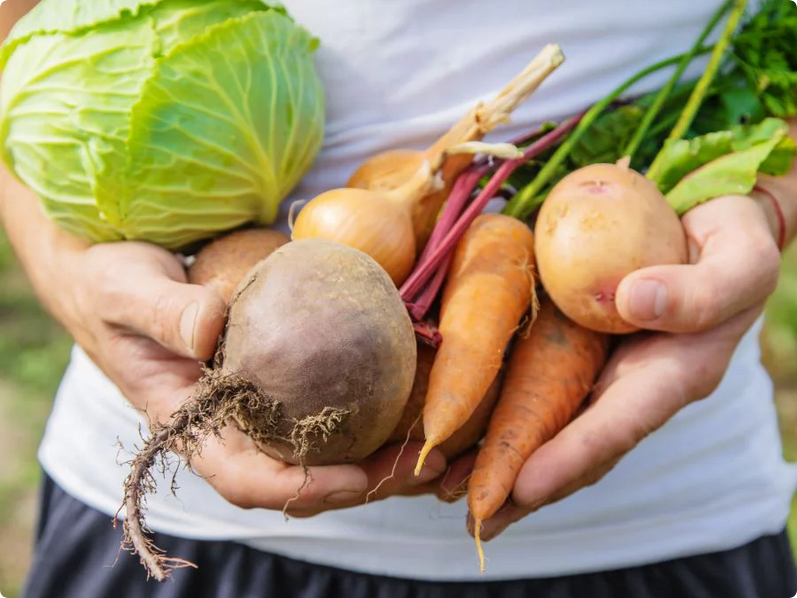
• Diet rich in fruits and vegetables, especially dark green leafy and cruciferous vegetables
• Cold water fatty fish
• Use spices and herbs in cooking
• Reduce or eliminate alcohol
• Reduce added sugar to 25 grams or less per day
• Maintain a healthy body weight
• Organic yogurt, kefir, fermented vegetables
• Nutrient-dense whole foods
Gut microbiome changes can easily start early in life and set the stage for smoldering issues that can morph into serious disease. A few rounds of antibiotics, regular consumption of ultra-processed foods, chronic gluten and alcohol consumption, low fiber diets, obesity, and a sedentary lifestyle are things that disrupt and perpetuate an unhealthy gut microbiome and digestive system. Add on environmental toxins and hormone metabolites that must be detoxified and eliminated by the gastrointestinal system.
Nutritional deficits, high stress, concussions/brain injury, and many other factors impact the gut microbiome and GI tract with polyps developing in the colon several years before developing into serious malignancies.
The trend of American health must shift. The United States now ranks #61 in the 2025 global health rankings. The CDC cancer statistics shows that 1 in 2 men and 1 in 3 women will experience cancer in their lifetime. To maintain health and reduce risks, healthy choices must be made as much as possible. Stack the odds in your favor as best you can. Do it for yourself and your loved ones. We must change the trend of American health care!

Top Essential Nutrients to Protect Your Vision